
Why the scale stops moving is the most annoying part of trying to drop weight. You work hard for three weeks, watch your food, and then the numbers just stay stuck on 174 pounds for ten days. It makes you want to throw the scale out the window and eat a whole pizza.
Here is the short answer. Your body is not broken, and you did not gain fat overnight. Most weight loss stalls happen because your body holds onto water, your digestion slows down, or your daily movements dropped without you noticing. If you stay in a small calories deficit, your body will drop the extra weight soon.
What Is a Real Weight Loss Plateau?
Many people think their progress stopped after two days without a change. That is not a real plateau. A real stall means the average weight on the scale stays the same for at least three full weeks.
Your body weight changes every single day. Drinking two big glasses of water adds a full pound to the scale right away. Eating a meal with a bit more salt makes your body hold onto extra water for two or three days. My friend Sarah thought she stopped losing weight for a week, but she was just eating pickles with her lunch every day. Once she stopped the extra salt, two pounds disappeared overnight.
True weight loss takes time because burning real body fat is a slow job. A pound of fat holds a lot of stored energy. Your body does not let go of it in a straight line. It drops a bit, stays flat for a week, and then drops again.
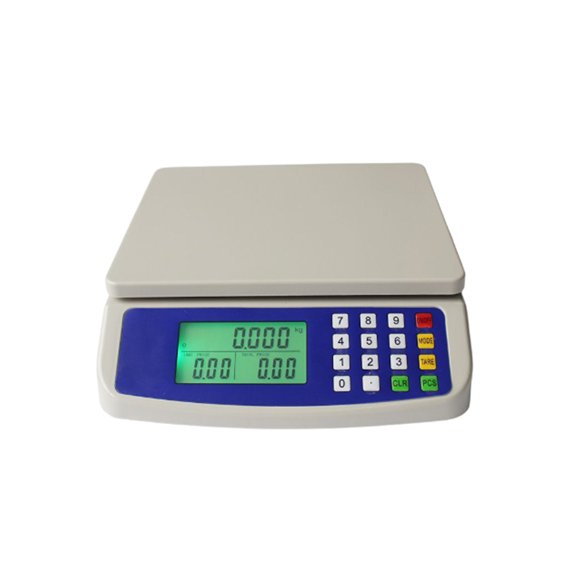
Your Body Holds Water for Many Reasons
Water weight is the biggest lie on your bathroom scale. It goes up and down constantly, hiding the fat you are actually burning underneath. When you work out hard, your muscles get tiny sore spots. Your body sends water to those muscles to help them heal. That extra water shows up on the scale the next morning as a half-pound gain.
Stress also makes your body hold onto extra fluid. When you worry about the scale or get bad sleep, your body makes a hormone called cortisol. High cortisol tells your body to hold onto water, especially around your belly. You might be losing fat every single day, but the water weight covers it up like a thick blanket.
If you recently started lifting weights or running, your muscles are taking on new water weight. This is a good thing because it means your muscles are getting stronger. Trust the process even when the scale stays still for a bit. You can also try simple daily habits that slowly burn fat to keep your body moving in the right direction without adding extra stress.
Why the Scale Stops Moving After a Few Months
When you weigh less, your body needs less food to keep running. A person who weighs 200 pounds burns more energy just sitting in a chair than a person who weighs 160 pounds. This basic energy requirement is known as your basal metabolic rate. As you drop pounds, your daily burn drops too.
Think about a man named Mark who started at 220 pounds. He ate 2,000 calories a day and lost fifteen pounds easily. But at 205 pounds, his body needed fewer calories to function. Eating 2,000 calories was no longer a deep deficit for his smaller body. It was just enough to keep his weight right where it was.
To keep losing fat, you have two safe choices. You can lower your daily food intake by a small amount, like 150 calories. Or you can add ten minutes of walking to your daily routine. You do not need to cut your food in half or do extreme workouts.
Also, watch out for calorie creep. It happens to almost everyone after a few weeks of success. You stop measuring the peanut butter, or you add an extra splash of salad dressing. Just two extra bites of cheese and a big spoon of oil can add 250 hidden calories to your day. That is enough to stop your weight loss cold.
How to Get the Scale Moving Again
Do not panic and cut your food down to zero. That makes your body tired and hungry, which leads to heavy binge eating later in the week. Instead, take four clear, simple steps to test what is really happening with your body.
- Track your food carefully for three days. Use a scale or measuring spoons for everything you eat and drink. You might find hidden calories in drinks, cooking oils, or quick snacks.
- Take body pictures and use a tape measure. The scale only measures your total weight. It cannot tell the difference between fat, muscle, water, and food in your stomach. Your waist might shrink an inch while the scale stays on the exact same number.
- Increase your daily steps. When you eat less, your body tries to save energy by making you sit down more. You might stop fidgeting or taking the stairs without noticing it. Aim for 8,000 steps every day to keep your total movement high.
- Get eight hours of solid sleep. Sleep balances your hunger hormones and drops your stress levels. Good sleep often leads to a quick water drop within two or three days.
If you want to check your daily food setup, read our simple guide on healthy eating steps for steady weight loss. Small fixes work much better than giant changes that hurt your mood.
When Should You Change Your Diet Plan?
If you tracked your food correctly, kept your steps high, and the scale did not move for four full weeks, it is time for a small shift. A four-week stall is long enough to prove it is not just water weight.
Make one small change at a time so you know what works. Drop your daily calories by 100 to 200 per day. You can do this easily by cutting out one small snack or using less oil when you cook dinner. Never drop your food below 1,200 calories a day if you are a woman, or 1,500 if you are a man. Going lower than that makes it hard to get the healthy nutrients your body needs to stay well.
You can also take a diet break for one week. Eat at your maintenance calories, which means eating enough food to keep your current weight steady without gaining or losing. This gives your mind a rest, drops your stress hormones, and fills up your energy stores. Many people find that after a week of eating a bit more food, their body lets go of extra water and starts dropping weight again.
Remember that real change happens slowly over months, not days. A stall on the scale is just a puzzle to solve, not a sign that you failed. Keep your food simple, walk every day, and give your body time to adjust to your new lighter size.
What is one small tweak you can make to your daily routine this week to break through your current weight loss stall?


0 comments:
Post a Comment